
How to Choose a Software Company in Egypt: 15 Questions to Ask Before You Sign
Choosing a software company is a multi-year decision disguised as a price comparison. These 15 questions help Egyptian business owners test experience, scope, ownership, security, data protection and support before signing any contract.
Search for "best software company in Egypt" and you will find many lists, most written by software companies ranking themselves first. That does not help you decide. What helps is asking every shortlisted vendor the same hard questions and comparing the answers in writing.
The short answer: choose the company that shows relevant, checkable experience, names the people who will do the work, writes a clear scope, gives you ownership of code and accounts, takes security and data protection seriously, and commits to support after launch. The 15 questions below turn those criteria into a practical interview you can run in one meeting and a follow-up email.
Key takeaways
- Compare vendors on the same written brief; different scopes make price comparisons meaningless.
- Ask for references you can call, not only logos on a website.
- Insist on owning the source code, domain, hosting and app store accounts in your company's name.
- From 1 November 2026, a vendor that hosts or processes your customers' data has data protection duties too; ask how they meet them.
- The cheapest quote often excludes testing, documentation and maintenance; ask what is not included.
The Egyptian software market in brief
Egypt has a large and growing software sector. According to the communications minister, as reported by Amwal Al Ghad in September 2026, Egypt's digital exports reached USD 7.4 billion in 2025, including USD 5.2 billion in outsourcing exports. Many companies in Cairo and Alexandria serve clients in the Gulf, Europe and the US as well as local businesses. ITIDA, the government's IT industry development agency, runs export and startup programmes for the sector.
For a buyer, this means plenty of choice, from freelancers to small studios to established software houses. It also means quality varies widely, so a structured selection process pays off.
Freelancer, studio or software house?
| Type | Usually fits | Main risk |
|---|---|---|
| Freelancer | Small, well-defined tasks and websites | Single point of failure if they become unavailable |
| Small studio | Websites, stores and focused apps | Limited capacity for testing, security and long-term support |
| Software company | Business systems, integrations and multi-year support | Higher price; check that senior people stay on your project |
No type is always right. What matters is that the vendor's size matches the project's size and the support period you need, and that you ask everyone the same questions.
Before you ask: prepare a one-page brief
Vendors can only give comparable answers to a comparable request. Write one page covering:
- The business problem, in your words, and who will use the system.
- The must-have features for the first version, and the nice-to-haves.
- Systems it must connect to: accounting, ERP, payment gateways, couriers, WhatsApp, the ETA e-invoice platform.
- Languages (Arabic, English), devices and expected number of users.
- Your budget range and target date, if you have them.
Questions 1 to 3: experience and team
1. Which similar projects have you delivered, and can I speak to those clients?
Look for projects with similar complexity, not just the same industry. A company that built an ERP for a distributor has solved problems like multi-warehouse stock and van sales. Ask for two references and actually call them. Ask the references what went wrong and how the vendor handled it.
2. Who exactly will work on my project?
Ask for names and roles: project manager, developers, designer, tester. Are they employees or subcontractors? Will the senior person you met in sales stay involved? Frequent team changes are a major cause of delays.
3. How will you understand my business before building?
Good vendors run a discovery phase: interviews with your staff, a review of current processes and documents, and a written specification you approve. A vendor that quotes a complex system after a 20-minute call is guessing.
Questions 4 to 7: scope and price
4. What exactly is included in the price?
Ask for a line-by-line scope: features, screens, admin panel, integrations, data migration, training, testing, deployment. Then ask the reverse question: what is not included?
5. How are changes handled and priced?
Requirements always change. Ask how change requests are documented, estimated and approved, and what the daily or hourly rate is for extra work. Clear change control prevents disputes.
6. How are payments tied to deliverables?
Prefer milestones linked to working, demonstrated software rather than calendar dates or large upfront payments. For example: design approved, first module in testing, full system in production, end of warranty.
7. What will it cost to run over three years?
Ask for hosting, third-party services, licences, app store fees and a maintenance plan, separately from development. A low build price with an expensive or unclear maintenance plan is not a low price. Our SaaS vs custom software framework shows how to compare total cost.
Questions 8 to 10: ownership and data
8. Who owns the source code and intellectual property?
The contract should state that you own the custom code and design work you pay for, and that the code is delivered to a repository you control. If the vendor reuses its own components or a platform, the contract should give you a clear, perpetual licence to use them.
9. Will the domain, hosting, cloud and store accounts be in my company's name?
Many business owners discover during a dispute that their domain or app store account belongs to the developer. Register them in your company's name from day one and give the vendor access, not ownership.
10. How will you protect personal data, and where will it be hosted?
If the vendor hosts or processes your customers', patients' or employees' data, it acts as a processor. Under the executive regulations of Egypt's Personal Data Protection Law, whose grace period ends on 1 November 2026, processors as well as controllers need licences or permits, and breaches must be reported within 72 hours, according to Al Tamimi's 2025 analysis. Ask where servers are, who has access, how data is encrypted, and how quickly they will inform you of an incident.
Questions 11 to 13: quality, security and local know-how
11. How do you test before delivery?
Ask about code review, automated tests, a separate testing environment and user acceptance testing with your team. Ask which devices and browsers they test on, especially mid-range Android phones if your users are in Egypt.
12. Which security practices do you follow?
A serious vendor can explain how it handles access control, password storage, session security, input validation, dependency updates and logging, and may reference the OWASP Top 10. See our 12 security essentials before launch for what good answers look like.
13. Have you worked with Egyptian requirements?
Depending on your project: ETA e-invoice or e-receipt integration, Arabic invoices and right-to-left interfaces, local payment gateways such as Paymob and Fawry, cash on delivery, Egyptian payroll rules. Experience here saves weeks.
Questions 14 and 15: after launch
14. What happens after launch?
Ask for the warranty period and what it covers, the support channels, response times by severity and the cost of a maintenance plan. Ask who fixes a critical bug on a Friday or during Eid.
15. Could another company take over the system if needed?
Ask what documentation you will receive: setup and deployment steps, architecture overview, database structure, API documentation, admin guides. A vendor confident in its work will not mind this question.
A simple comparison sheet
| Criterion | Weight | Vendor A | Vendor B | Vendor C |
|---|---|---|---|---|
| Relevant experience and references | 20% | |||
| Team and discovery approach | 15% | |||
| Scope clarity and change process | 15% | |||
| Three-year total cost | 15% | |||
| Ownership, accounts and data protection | 15% | |||
| Quality and security practices | 10% | |||
| Support and handover | 10% |
Score each vendor from 1 to 5 on each row, multiply by the weight and compare totals. Adjust weights to your priorities, but decide them before you see the prices.
Red flags to watch for
- A fixed price for a complex system without a discovery phase or written scope.
- Refusal to put code ownership or account ownership in the contract.
- No references, or references who cannot be contacted.
- Most of the payment upfront, before any working software.
- Vague answers on testing, security and data protection.
- Pressure to sign quickly with a "this week only" discount.
How Nilex helps
We welcome these questions from every prospective client. You can review our work on the clients page, read how we approach projects on why Nilex, and see what we build on our services page. If you are comparing vendors, we are happy to answer the 15 questions in writing.
Frequently asked questions
How do I know if a software company in Egypt is reliable?
Check relevant projects, call at least two references, meet the people who will do the work, and read the contract for code ownership, warranty and support terms. Reliability shows in clear written answers, not in rankings.
Should I hire a freelancer or a software company?
A freelancer can suit a small, well-defined project. For business systems that need design, development, testing, security and long-term support, a company with a team reduces the risk of the project stopping if one person leaves.
Is a fixed-price or time-and-materials contract better?
Fixed price works when the scope is clear and stable. Time and materials suits evolving projects. Many projects use a fixed-price discovery phase followed by fixed-price milestones.
What should a software development contract include?
Scope and deliverables, milestones and payments, change control, code and IP ownership, confidentiality, data protection obligations, warranty, support levels, handover and termination terms. Have a lawyer review it.
How long does it take to choose a software vendor?
For a mid-size project, two to four weeks is typical: brief, first meetings, written answers to these questions, reference calls and contract review. Rushing this step usually costs more time later.
Comparing software companies for your next project? Send us your brief and we will answer all 15 questions in writing, with a free consultation through our contact page.
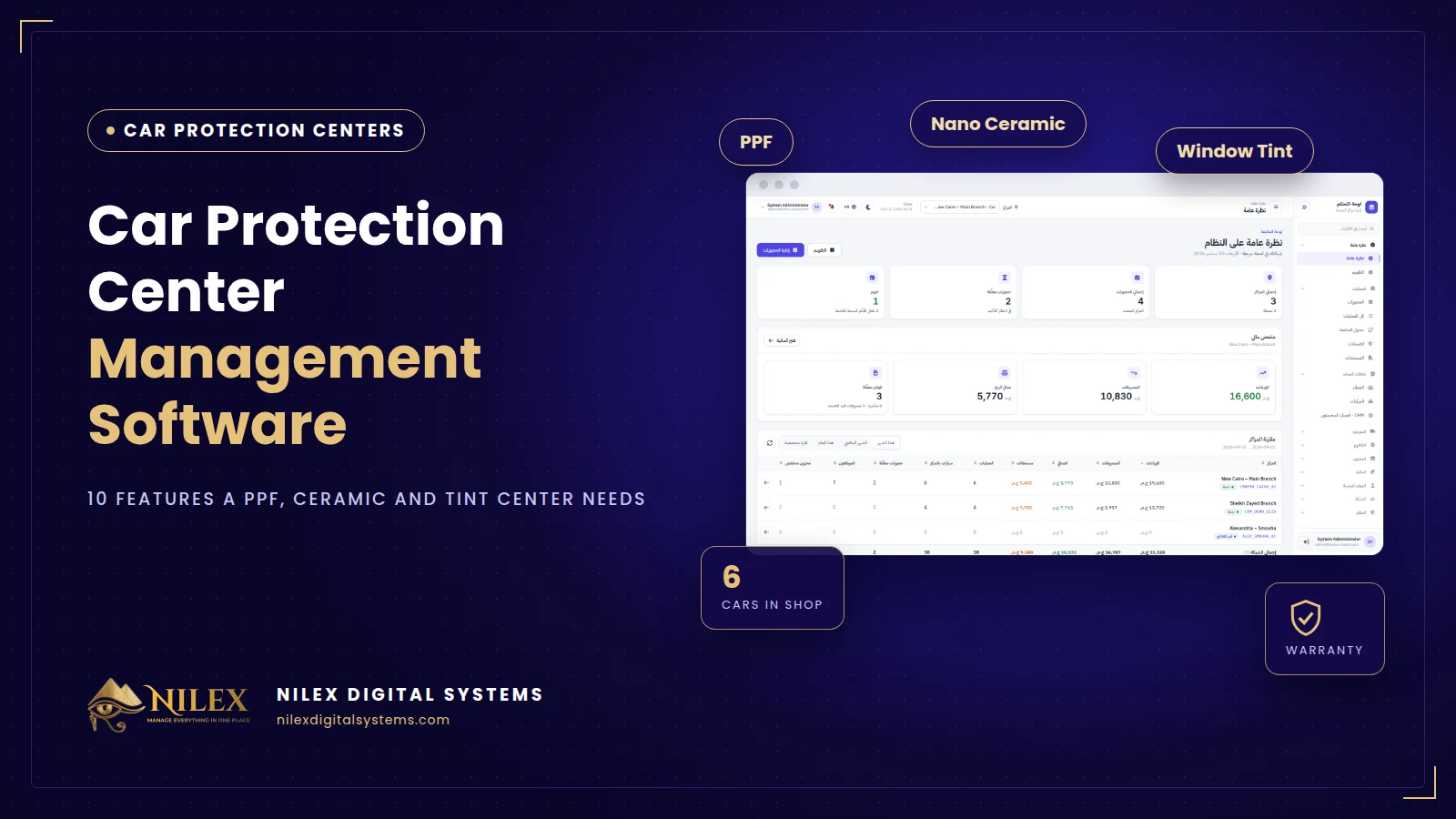 Car Protection Center Management Software: 10 Features a PPF, Ceramic and Tint Center Needs30 September 2026 · 7 min
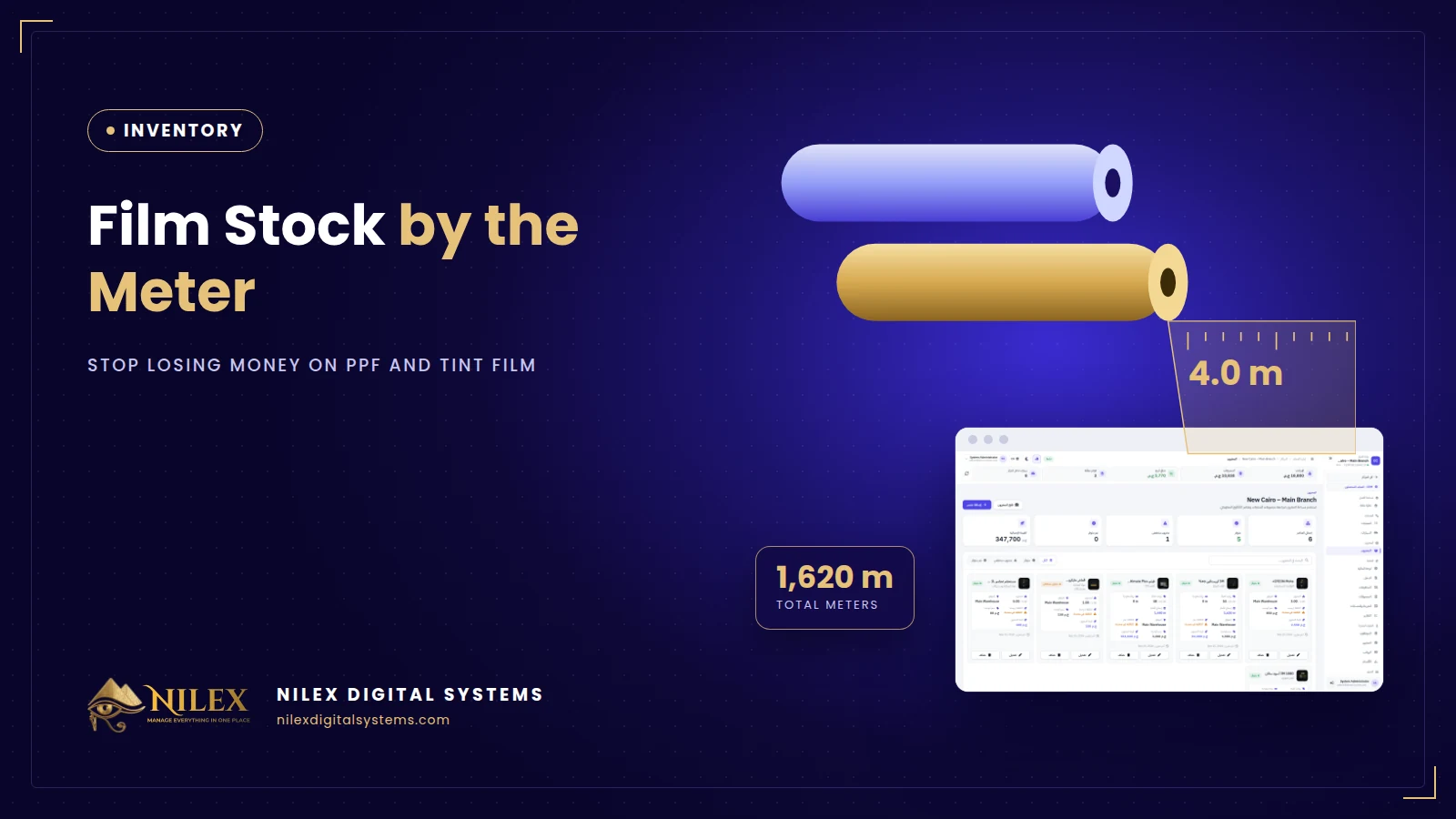 Film Stock by the Meter: How PPF and Tint Centers Stop Losing Money on Film30 September 2026 · 6 min
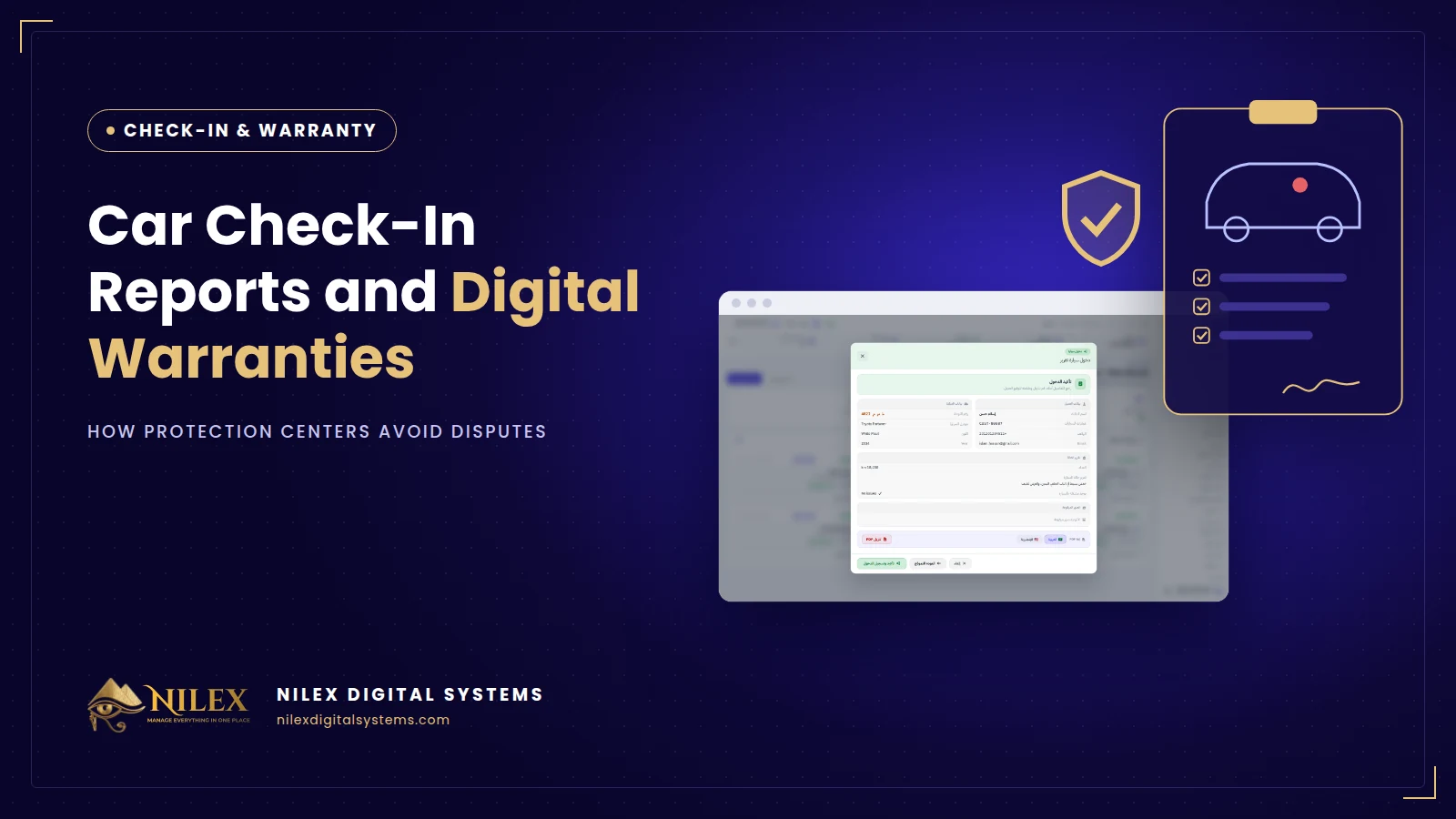 Car Check-In Reports and Digital Warranties: How Protection Centers Avoid Disputes30 September 2026 · 5 min