
SaaS vs Custom Software: A Decision Framework for Business Owners in Egypt
Ready-made SaaS is fast and cheap to start; custom software fits how you actually work. This framework helps Egyptian business owners decide using fit, total cost over five years, local compliance, integration and exit risk.
Every Egyptian company that grows beyond Excel faces the same question: subscribe to a ready-made system, or build one around the way the business works? Sales teams on both sides give confident answers. SaaS vendors talk about going live next week. Software houses talk about a perfect fit. Both can be right, for different parts of your business.
The short answer: use SaaS (software as a service) for standard processes where your business is like everyone else's, and consider custom software for the processes that make you different, involve complex local rules or need deep integration. Many companies end up with a mix. This article gives you a framework to decide, process by process, with total cost over five years rather than the first invoice.
Key takeaways
- Decide per process, not per company: email and payroll may suit SaaS while order management or production planning may need custom work.
- Compare total cost over three to five years, including subscriptions per user, customisation, integrations, currency exposure and exit costs.
- Egyptian requirements such as ETA e-invoice and e-receipt integration, Arabic documents and local payment gateways narrow the realistic options.
- Data protection rules on cross-border transfers make hosting location a real question from 1 November 2026.
- Whatever you choose, secure data export, documented APIs and clear ownership terms before you sign.
What each option really means
SaaS
You pay a subscription, usually per user per month or year, to use software the vendor hosts and maintains. Examples range from global CRMs to Arabic accounting and cashier apps built for the region. You configure settings but do not own or change the code.
Custom software
A system designed and built for your company. You pay for development and then for hosting and maintenance. You can own the source code, shape every screen and connect it to anything with an API.
The middle ground: configurable platforms
Platforms such as Odoo sit between the two: a standard product that partners configure and extend. The ecosystem is large in Egypt; Odoo's official directory listed 199 partners in Egypt in September 2026. Extensions give flexibility, but heavy customisation brings back many custom-software costs while keeping the platform's constraints.
SaaS vs custom software at a glance
| Factor | SaaS | Custom software |
|---|---|---|
| Time to start | Days to weeks | Weeks to months |
| Upfront cost | Low | Higher |
| Ongoing cost | Subscriptions that grow with users and modules | Hosting and maintenance, not tied to user count |
| Fit to your process | You adapt to the software | Software adapts to you |
| Egyptian compliance | Depends on the vendor's roadmap | Built to your requirements, you fund updates |
| Integrations | Limited to what the vendor exposes | Anything with an API |
| Data location and control | Vendor's servers, often abroad | Your choice of hosting |
| Exit | Depends on export tools and contract | You keep the system if you own the code |
| Main risk | Lock-in, price rises, missing features | Poor vendor, weak scope, no maintenance plan |
The six-question decision framework
1. Is this process a differentiator or a commodity?
Email, video calls, basic HR records and general bookkeeping are the same for most companies, so SaaS usually wins. The way a distributor in the Delta manages van sales and credit, how a factory in 10th of Ramadan costs a product, or how a clinic group routes patients between branches may be what makes the business work. Those processes deserve software that follows them.
2. Does it meet Egyptian requirements today?
Check real, local needs, not the feature list:
- Integration with the ETA e-invoice and e-receipt systems where your business is covered.
- Arabic invoices, reports and user interface, with correct right-to-left printing.
- Local payments: Paymob, Fawry, wallets, InstaPay and cash on delivery.
- Egyptian payroll, insurance and tax rules if HR is in scope.
This matters for small companies too. The simplified tax regime under Law 6/2025 gives businesses with turnover up to EGP 20 million lower rates, and the ETA head confirmed in March 2026 that e-invoice and e-receipt compliance is required to benefit. A system that cannot integrate has a real cost.
3. What is the total cost over five years?
Build a simple table with both options and include:
- Subscriptions multiplied by expected users and modules, year by year.
- Implementation, data migration and training.
- Customisation and integrations the SaaS does not cover.
- Currency exposure if the subscription is priced in US dollars.
- For custom software: development, hosting, maintenance and planned enhancements.
- Exit costs: exporting data and moving to another system.
SaaS is often cheaper in years one and two. Custom software can become cheaper later for companies with many users, because costs are not multiplied per seat. The crossover point is different for every business, which is why you calculate it.
4. How much must it connect to?
A standalone tool is easy to buy. A system that must exchange data with your store, ERP, courier, bank, WhatsApp and e-invoice platform needs strong APIs. If the SaaS offers limited integration, you will pay in manual work every day.
5. Where will the data live, and who controls it?
Egypt's Personal Data Protection Law 151/2020 and its executive regulations, with a grace period ending on 1 November 2026, subject cross-border transfers of personal data to licensing and safeguards, according to Al Tamimi's 2025 analysis. A SaaS hosted abroad that stores your customers' or patients' data raises questions you must answer. With custom software you choose the hosting.
6. How would you leave?
Ask before signing: can you export all data, including history and attachments, in a usable format? Is there a notice period on price increases? For custom software: will you own the source code, and is it documented well enough for another team to maintain?
A simple scoring sheet
Score each process from 1 to 5 on these questions. High totals point to custom software; low totals point to SaaS.
- How much does this process differ from standard practice in your industry?
- How many Egyptian-specific rules must it follow?
- How many other systems must it exchange data with?
- How many users will use it in three years?
- How sensitive is the data involved?
- How costly would it be if the vendor changed prices or discontinued the product?
The hybrid approach most companies end up with
Few businesses are all-SaaS or all-custom. A practical pattern for an Egyptian SME is:
- SaaS for email, office tools and video calls.
- A custom core for the processes that run the business, such as orders, stock, production, sales reps or patient flow, through a custom ERP system.
- Customer-facing channels, like the online store or booking site, connected to that core through APIs.
The key is that data flows between these parts automatically, so no one retypes orders or reconciles two versions of the stock.
Questions to ask before you commit
To a SaaS vendor
- Is ETA e-invoice or e-receipt integration live today, or on the roadmap?
- Where are your servers, and can you sign a data processing agreement?
- What happens to our price at renewal, and in which currency do we pay?
- Which APIs are available, and are they included in our plan?
To a custom software company
- Will we own the source code and have it in our own repository?
- Who maintains the system after launch, and at what cost?
- Can you show a similar system you built and still support?
- How do you handle changes in scope during the project?
Examples from Egyptian businesses
- A small retail shop in Nasr City: a regional SaaS cashier app with e-receipt support is usually enough. Custom software would be over-investment.
- A distributor with 40 sales reps in the Delta: van sales, credit limits, route plans and collections are core. Per-user SaaS fees add up and generic apps rarely fit, so a custom or heavily tailored system is worth evaluating.
- A clinic group: patient data is sensitive, and workflows differ between specialties. Hosting, access control and integration with booking and billing tip the balance towards a custom or carefully chosen specialised system.
How Nilex helps
Nilex builds custom business systems for Egyptian companies, including ERP, CRM and e-commerce, and integrates them with the SaaS tools you keep. We are equally willing to tell you when a ready-made tool is the better choice. Explore our services or start with the Essentials ERP package for a focused first phase. Our guide on how to choose a software company in Egypt lists the questions to ask any vendor.
Frequently asked questions
Is SaaS always cheaper than custom software?
It is usually cheaper to start. Over five years, per-user subscriptions, add-on modules, integrations and customisation can make it more expensive than a custom system, especially with many users. Calculate both for your case.
When should a small business choose custom software?
When a core process gives it an edge or has rules no product handles well, when it needs deep integration, or when data control is critical. For standard needs, a good SaaS is usually the right first step.
What is vendor lock-in?
It is when leaving a system is so costly or difficult that you stay even if it no longer fits, for example because you cannot export your data or your processes depend on its features. Clear export rights and code ownership reduce it.
Can custom software integrate with SaaS tools I already use?
Yes, if those tools provide APIs. Most modern SaaS products do, and a custom core can exchange data with them automatically.
Is Odoo SaaS or custom software?
It is a configurable platform available both hosted and self-hosted, sitting between the two. Light configuration behaves like SaaS; heavy customisation behaves more like custom software in cost and maintenance.
Weighing SaaS against custom software for a specific process? Share your requirements and we will build a five-year cost comparison with you in a free consultation. Reach us through our contact page.
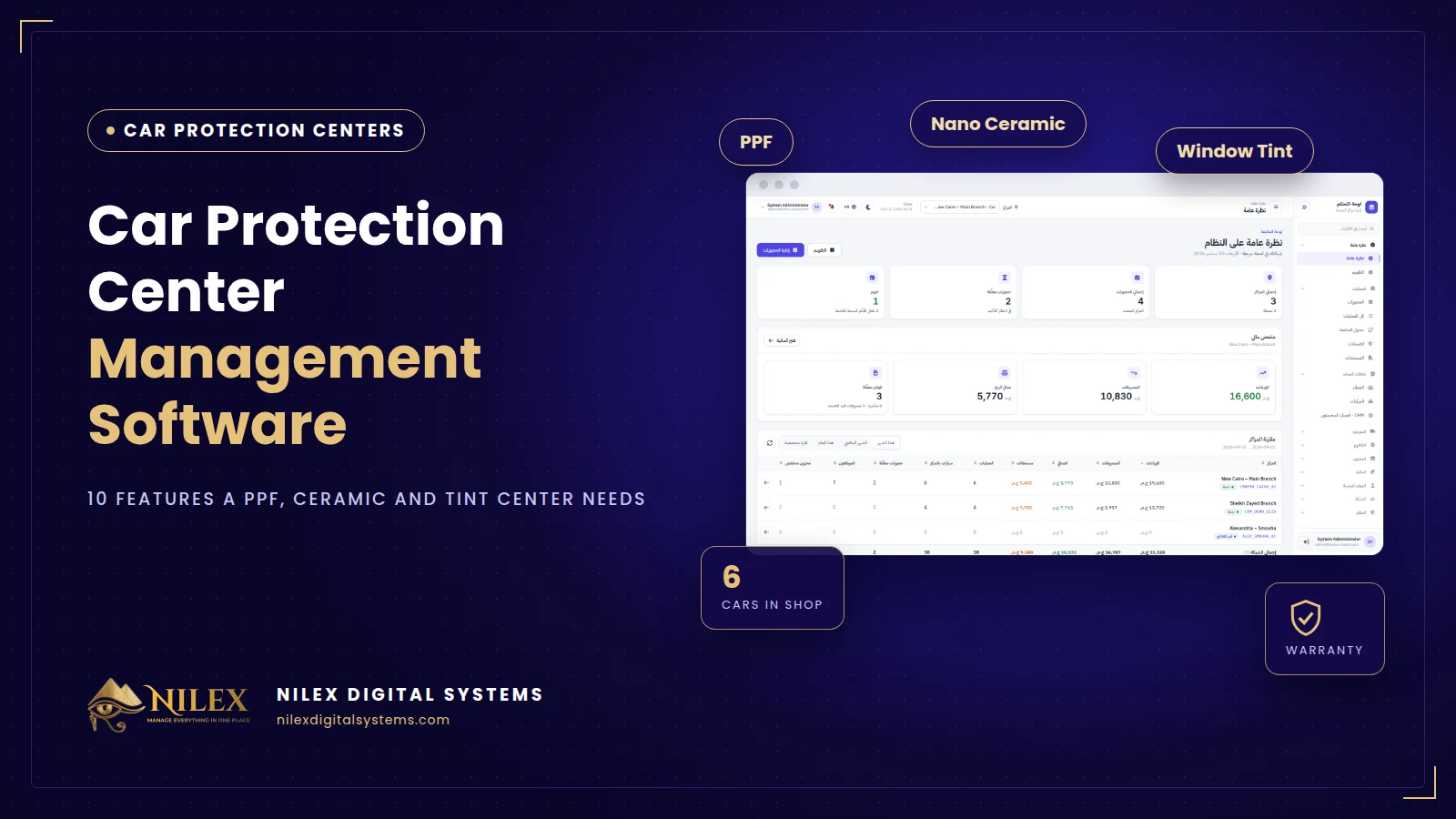 Car Protection Center Management Software: 10 Features a PPF, Ceramic and Tint Center Needs30 September 2026 · 7 min
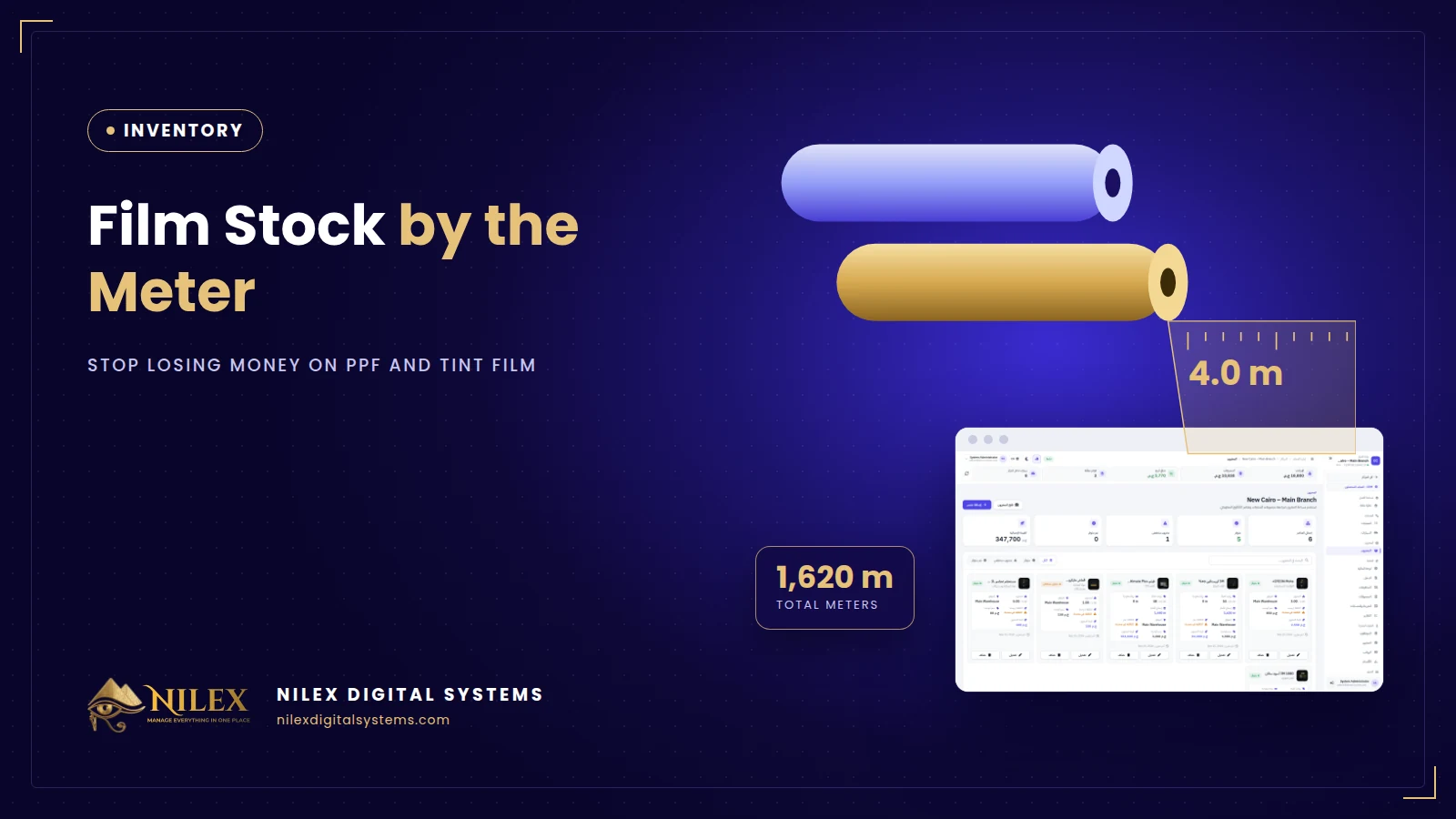 Film Stock by the Meter: How PPF and Tint Centers Stop Losing Money on Film30 September 2026 · 6 min
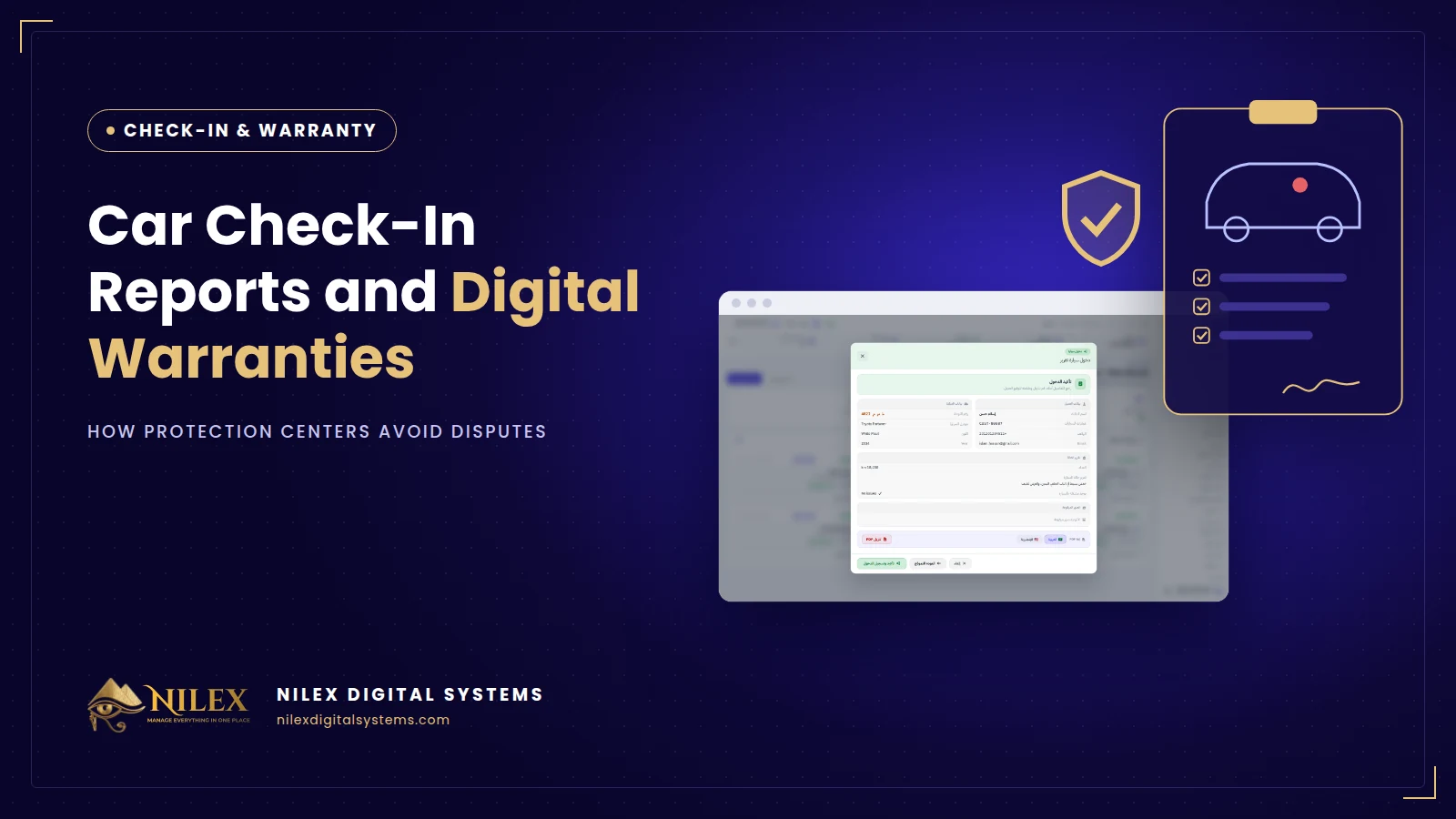 Car Check-In Reports and Digital Warranties: How Protection Centers Avoid Disputes30 September 2026 · 5 min