
Egypt ETA vs Saudi ZATCA E-Invoicing: A Guide for Companies in Both Markets
How Egypt's ETA e-invoice and e-receipt compare with Saudi Arabia's ZATCA FATOORA: clearance vs validation, 24-hour B2C reporting, signing, document chaining, item codes and how to design one ERP for both.
Egypt and Saudi Arabia both require electronic invoicing, but their systems work differently. Egypt's Tax Authority (ETA) runs two platforms: the e-invoice for B2B sales, where each document is digitally signed with an eSeal certificate and submitted to the ETA for validation, and the e-receipt for B2C sales, submitted within 24 hours. Saudi Arabia's Zakat, Tax and Customs Authority (ZATCA) runs one system, FATOORA, with two phases. In Phase 2, standard tax invoices (B2B) must be cleared by ZATCA before they are shared with the buyer, and simplified tax invoices (B2C) must be reported within 24 hours. A company active in both markets cannot simply copy one integration to the other.
This matters for Egyptian companies selling into the Kingdom, for Saudi companies with operations or back offices in Cairo, and for software teams in Egypt building systems for Gulf clients. The differences affect document formats, signing, item coding, timing, the number of devices you register and how you design your ERP.
This guide compares the two regimes side by side, based on official ETA and ZATCA documentation, and explains how to design one system that serves both.
Key takeaways
- Egypt separates B2B (e-invoice) and B2C (e-receipt) into two systems with different rollouts. Saudi Arabia covers both through FATOORA, with tax invoices and simplified tax invoices.
- Saudi B2B invoices in Phase 2 follow a clearance model: ZATCA must clear the invoice before it goes to the buyer. Egyptian B2B documents are submitted and validated by the ETA, and the buyer can reject them within a configured window.
- Both countries require B2C documents to reach the tax authority within 24 hours and both chain documents: Egypt through the previous receipt's UUID per POS device, Saudi Arabia through the hash of the previous invoice.
- Egypt signs documents with CAdES-BES and an eSeal certificate and requires GS1 or EGS item codes. Saudi Arabia uses a cryptographic stamp tied to each onboarded e-invoicing solution unit.
- Design the ERP with one invoice engine and two country "adapters", rather than two separate systems.
How each regime was rolled out
Egypt
The ETA started the B2B e-invoice on 15 November 2020 with large taxpayers and extended it to VAT-registered companies for B2B transactions over 2022 and 2023. The B2C e-receipt was piloted in April 2022 and has since been extended in waves, through ETA decisions that list taxpayers by name, according to a VATupdate briefing (February 2026).
Saudi Arabia
According to ZATCA, Phase 1 (Generation) has been enforced since 4 December 2021 for all resident taxpayers: invoices must be generated by compliant electronic solutions. Phase 2 (Integration) started on 1 January 2023 and is rolled out in waves by targeted taxpayer groups, with ZATCA notifying each group at least six months in advance.
ETA vs ZATCA: side-by-side comparison
| Aspect | Egypt (ETA) | Saudi Arabia (ZATCA) |
|---|---|---|
| Standard VAT rate | 14% | 15% |
| Systems | E-invoice (B2B) and e-receipt (B2C), separate platforms | FATOORA, covering tax invoices (B2B) and simplified tax invoices (B2C) |
| Who is in scope | E-invoice: VAT-registered companies for B2B. E-receipt: taxpayers named in ETA decisions | Phase 1: all resident taxpayers. Phase 2: groups notified in waves |
| B2B model | Submit signed document; ETA validates asynchronously; buyer may reject within a set window | Clearance: invoice must be cleared by ZATCA before it is shared with the buyer |
| B2C timing | E-receipt submitted within 24 hours | Simplified invoice reported within 24 hours of issuance |
| Format | JSON or XML in the ETA schema | XML, or PDF/A-3 with embedded XML |
| Signature | CAdES-BES over a SHA-256 hash of the canonical document, with an eSeal certificate | Cryptographic stamp; each solution unit onboarded with a Cryptographic Stamp Identifier (CSID) |
| Document chaining | E-receipt: previous receipt UUID per POS device | Hash of the previous invoice in each invoice |
| QR code | Printed on e-receipts (URL, seller registration number, total) | Required on simplified invoices; applied to tax invoices at clearance |
| Item coding | GS1 or EGS code on every line | No equivalent national item-code registration requirement stated in the guidelines reviewed |
Sources: the ETA's e-invoicing and e-receipt SDK, ZATCA's Detailed Guidelines for E-Invoicing (May 2023) and ZATCA's announcement of the 15% VAT rate from July 2020. Egypt's 14% rate is taken from Avalara's 2026 Egypt VAT guide.
The differences that change your system design
1. Clearance before sharing vs submission and validation
In Saudi Arabia, a standard tax invoice under Phase 2 is not complete until ZATCA clears it, so your invoicing flow must wait for the clearance response before sending the invoice to the customer. In Egypt, the system submits the signed document and the ETA validates it asynchronously, so your ERP must track the status after submission and handle invalid documents and buyer rejections. The user experience at the moment of invoicing is different, and so is error handling.
2. One B2C platform vs two separate systems
For B2C, both countries allow reporting within 24 hours, which suits retail and offline sales. In Egypt, however, the e-receipt is a separate system with its own document type, its own rules and its own rollout lists. Before building, check whether your Egyptian entity is actually on an e-receipt list.
3. Signing and device onboarding
Egypt signs each document with the taxpayer's eSeal certificate, often held on a USB token, a signing server or an HSM. ZATCA onboards each e-invoicing solution unit and issues it a CSID, then stamps invoices cryptographically. If you have many POS devices in Riyadh and Jeddah, onboarding and certificate renewal must be automated.
4. Chaining documents
Both regimes make it impossible to delete or re-order documents silently. ZATCA requires the hash of the previous invoice in each invoice. Egypt requires the UUID of the previous receipt from the same POS device on e-receipts. Your system must persist the last value per device reliably, even after crashes, and handle offline sequences correctly.
5. Item codes
Egypt requires a GS1 or EGS code on each line. EGS codes follow the format EG-TaxpayerID-InternalCode and must be approved by the ETA. For a group selling in both markets, keep the Egyptian tax code as a separate field on the item card, alongside your internal SKU and any barcode.
Designing one ERP for both countries
- One invoice model inside the ERP. Sales, returns and credit notes are recorded once, with all the data either country needs.
- Country adapters. An Egypt adapter builds the ETA JSON, signs with CAdES-BES, submits and tracks status. A Saudi adapter builds the ZATCA XML, applies the cryptographic stamp, requests clearance or reports, and generates the QR code.
- Legal entity and branch settings. Tax registration numbers, activity codes, branch codes and devices belong to each entity, not to the whole group.
- A document status model that covers both regimes: draft, signed, submitted, cleared or valid, rejected, cancelled.
- Queues and retries so that a slow tax platform never blocks sales staff.
- Archive and audit. Store the signed payloads, authority IDs and responses with each invoice. ZATCA requires invoices to be archived according to VAT regulations, and the VATupdate briefing notes a five-year retention expectation for Egyptian e-invoice records.
Practical scenarios
An Egyptian manufacturer exporting to Saudi customers
If the Egyptian company invoices from Egypt, its obligations are Egyptian. Saudi obligations arise for a Saudi entity or a taxpayer registered in the Kingdom. Clarify with tax advisers in both countries which entity invoices which customer before designing the system.
A Saudi company with a subsidiary in Cairo
Each entity follows its own country's rules. A shared ERP with country adapters lets the group see consolidated sales while each entity issues compliant documents locally.
An Egyptian software house building for Gulf clients
Experience with the ETA does not automatically transfer to ZATCA. Clearance, stamping, CSID onboarding and ZATCA's XML standard are specific skills. Ask for evidence of ZATCA sandbox testing, not only ETA experience.
How Nilex helps
Nilex Digital Systems builds custom ERP systems from Cairo, with Arabic and English interfaces where required. We design the invoice engine so that country-specific e-invoicing rules sit in separate integration layers built against each authority's APIs, with a full audit log and role-based permissions per legal entity and branch. For groups with several entities, see the Enterprise package.
Frequently asked questions
Can one ERP handle both Egyptian and Saudi e-invoicing?
Yes, if it is designed with one internal invoice model and separate integrations for the ETA and ZATCA. Trying to force one country's format onto the other usually fails on signing, clearance and QR requirements.
What is the ZATCA clearance model?
In Phase 2, each standard tax invoice (B2B) must be sent to ZATCA and cleared before it is shared with the buyer. Simplified tax invoices (B2C) are reported to ZATCA within 24 hours of issuance instead.
Does Egypt use clearance too?
Egypt's e-invoice works by submission and validation: the system submits signed documents, the ETA validates them and returns a status, and the buyer can reject a document within a window set by the ETA. It is not described as a clearance-before-sharing model in the ETA SDK.
Do Saudi e-invoices need GS1 or EGS codes like Egypt?
GS1 or EGS item codes are an Egyptian ETA requirement. The ZATCA guidelines we reviewed do not set an equivalent national item-code registration. Confirm the current requirements for your products with a Saudi tax adviser.
How do I know my ZATCA Phase 2 wave?
ZATCA notifies taxpayers of their Phase 2 wave at least six months in advance. Check your notifications and ZATCA's official e-invoicing pages.
If your company operates in Egypt and Saudi Arabia, or plans to, book a free consultation and we will map your entities, invoice flows and integration needs in both countries. For the Egyptian side in depth, read our guide to e-invoice integration in Egypt.
This article is general information, not legal or tax advice. Confirm the details that apply to your company with a specialist.
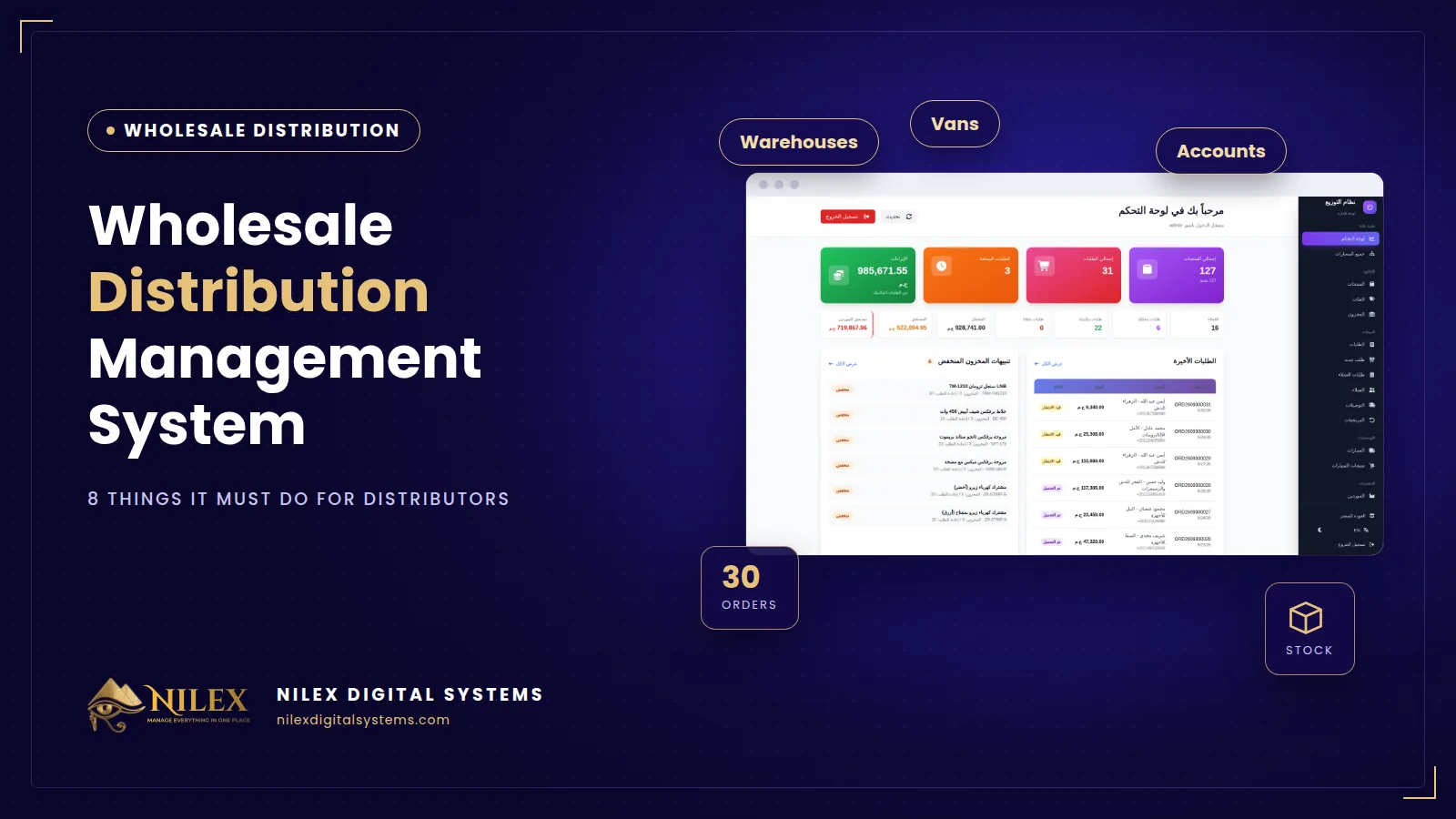 Wholesale Distribution Management System: 8 Things It Must Do for Egyptian Distributors30 September 2026 · 5 min
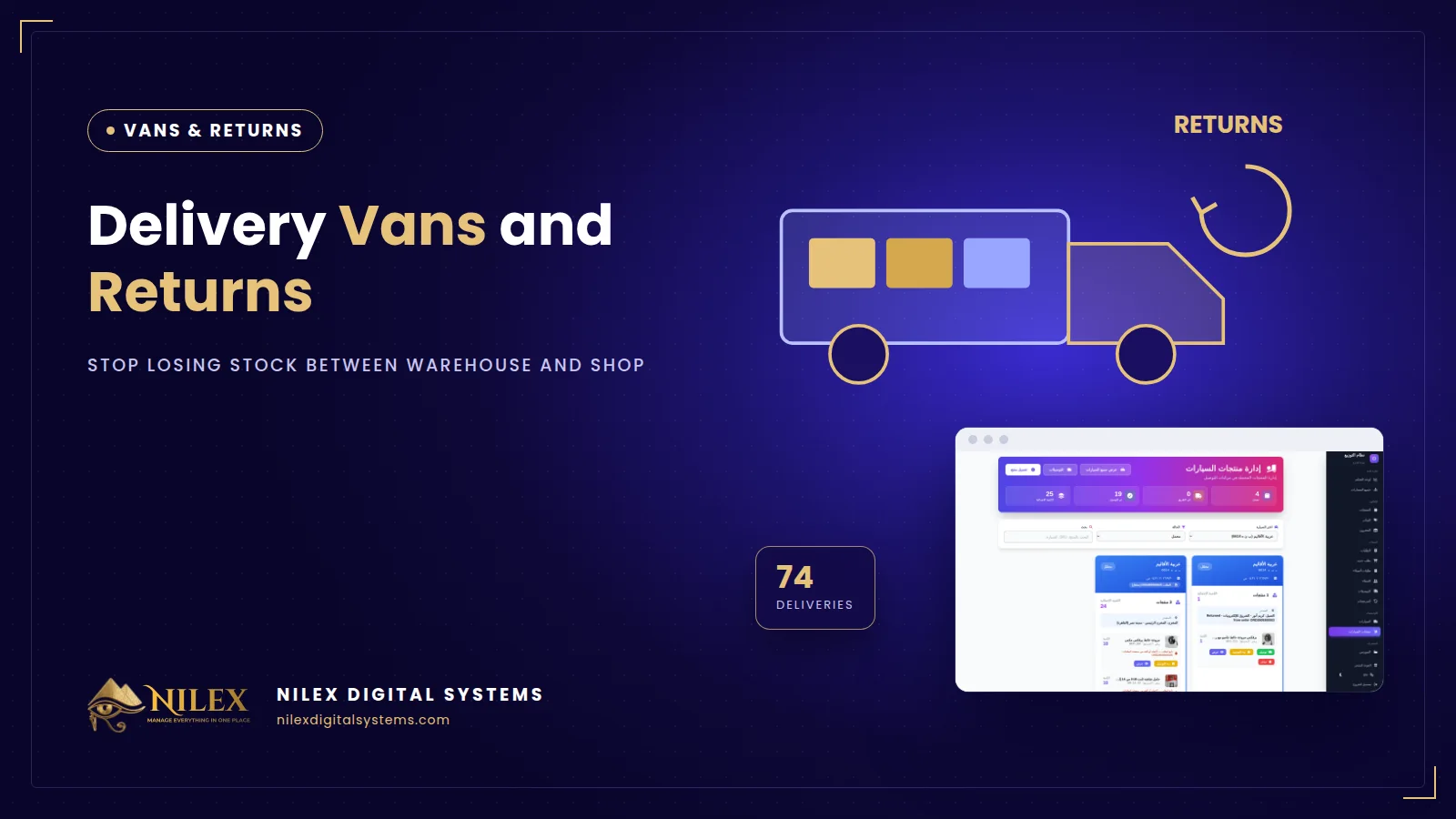 Delivery Vans and Returns: How Distributors Stop Losing Stock Between Warehouse and Shop30 September 2026 · 4 min
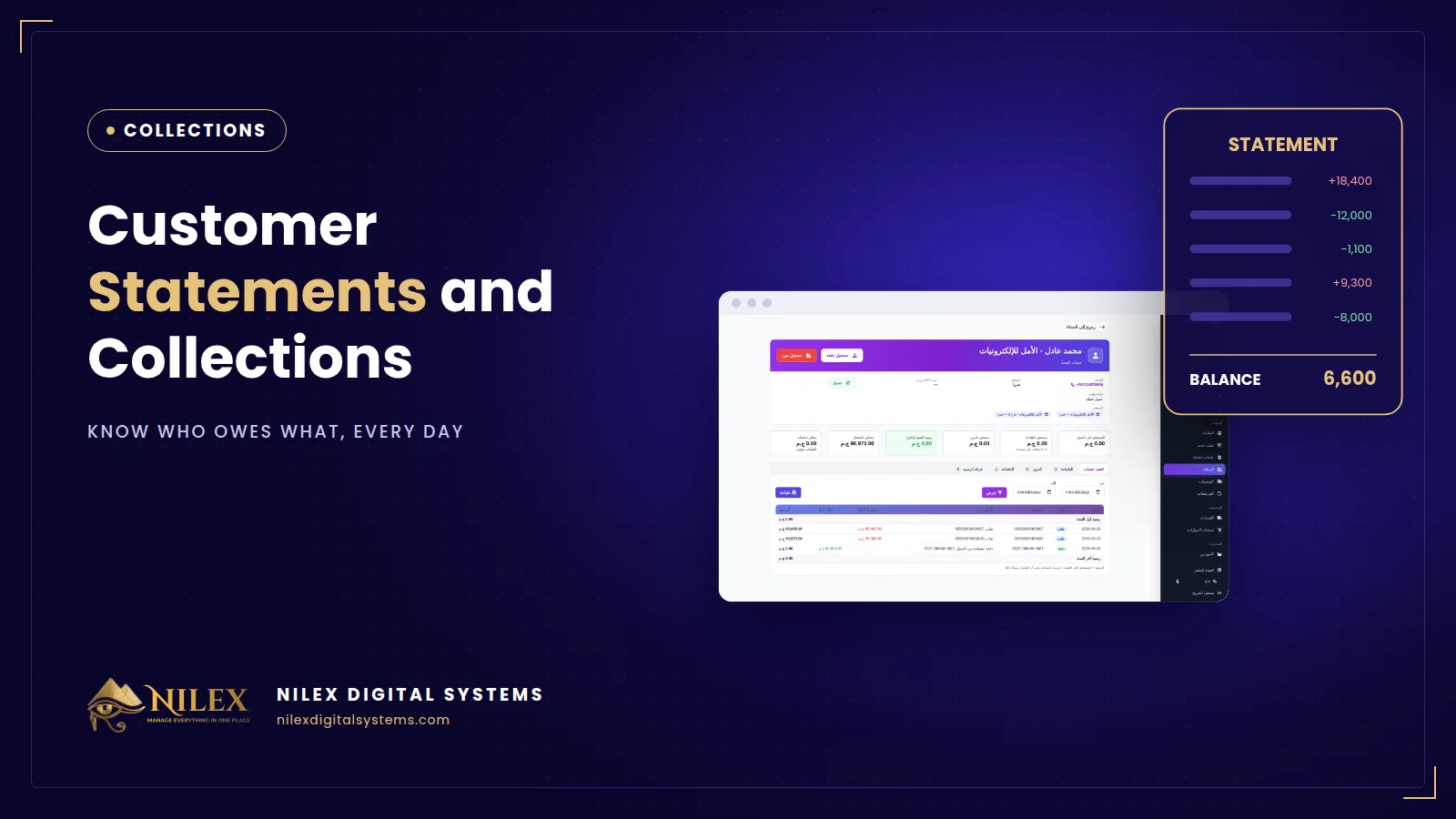 Customer Statements and Collections for Wholesalers: Know Who Owes What30 September 2026 · 4 min